
Professional Analysis of VERDEE Strand Woven Bamboo Flooring Safety Parameters: A Comprehensive Comparison with Solid Hardwood Flooring

Updated: Aug 12

In today's construction materials market, which emphasizes environmental friendliness, durability, and safety equally, bamboo flooring has gained significant attention as a high-performance green building material. High-end products utilizing recombinant bamboo (heavy-pressed bamboo) technology, such as VERDEE Strand Woven Bamboo Flooring, excel in numerous safety and performance parameters, even surpassing some traditional solid hardwood floors. This article will provide an in-depth, professional analysis of the core safety parameters of VERDEE strand woven bamboo flooring and offer a systematic comparison with solid haredwood flooring.
1. Structural Stability and Deformation Resistance: Precision Control of Engineered Material
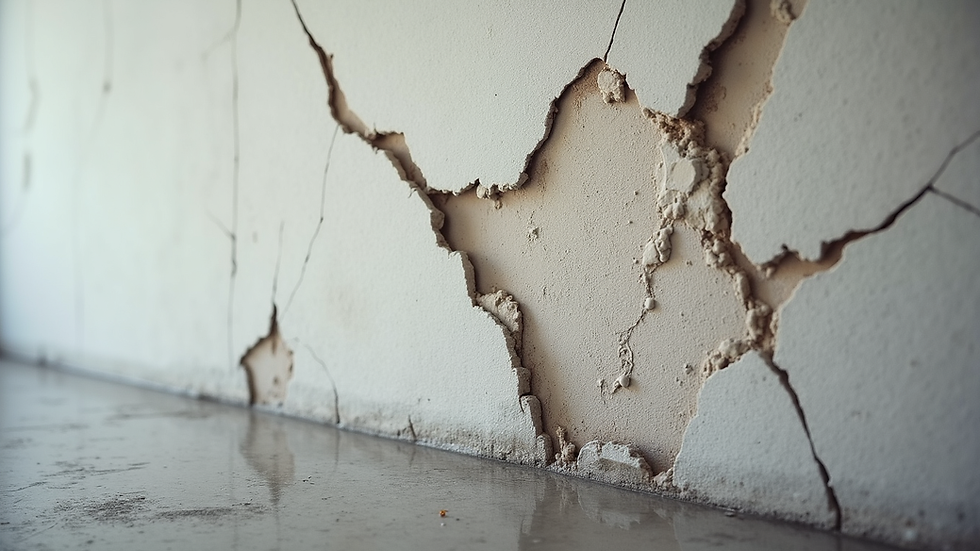
Solid hardwood flooring is processed directly from natural timber, and its performance is heavily influenced by wood species, growth age, and moisture content. As a biological material, wood continuously exchanges moisture with its surroundings, leading to significant expansion and contraction with humidity changes. This is the root cause of issues like warping and cracking in solid wood floors.
In contrast, VERDEE Strand Woven Bamboo Flooring represents an advanced concept of "engineered structural material." Its production does not involve simple cutting. Instead, filamented bamboo strands are reconstituted and formed into a substrate through recombinant and high-pressure processes. This process brings revolutionary improvements in stability.
Exceptional Density and Hardness: After processing with heavy-pressing technology, bamboo density can increase from its natural state of approximately 1.2 g/cm³ to over 1.5 g/cm³. Its hardness (Brinell hardness ≥ 9.5 kg/mm²) is comparable to, or even exceeds, that of many precious hardwoods like rosewood. This indicates superior resistance to external impact and indentation from heavy objects, making it less prone to dents in daily use and enhancing structural safety.
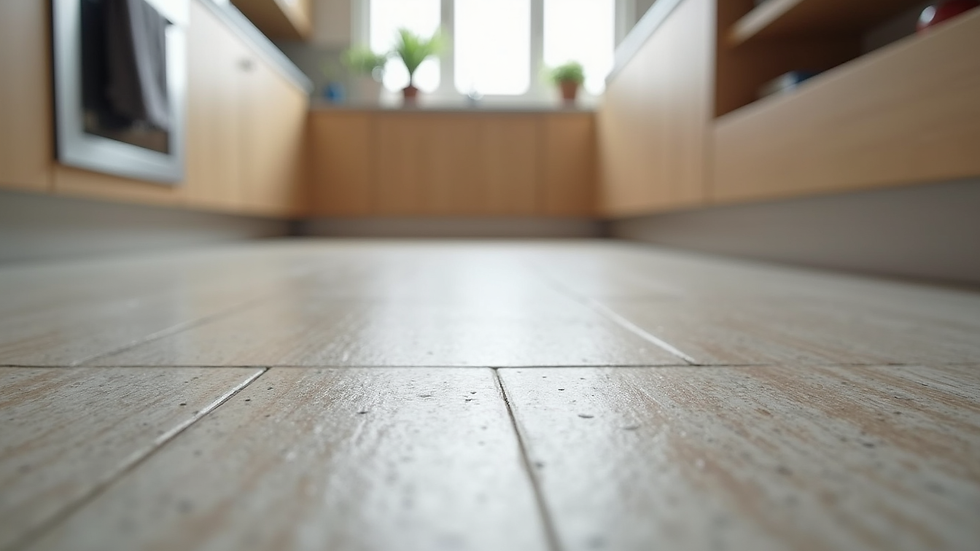
Outstanding Dimensional Stability: This is a decisive advantage of heavy-pressed bamboo flooring over regular bamboo and many solid wood floors. The stability (shrinkage and expansion rate) of high-density heavy-pressed bamboo is improved by a factor of 10 compared to conventional recombinant bamboo. The production process involves precise control over the removal of green and yellow bamboo layers, adhesive content, moisture content, and hot-pressing parameters, significantly reducing the material's sensitivity to humidity changes. This makes VERDEE bamboo flooring less prone to delamination, deformation, or seam cracking in fluctuating humidity, reducing tripping hazards caused by floor movement and ensuring long-term flatness.
Comparison with Solid Wood: Solid wood flooring, especially in environments with poor temperature and humidity control, is more susceptible to expansion from moisture absorption or drying shrinkage, which compromises flatness and structural integrity, leading to higher long-term maintenance costs.
2. Surface Safety and Slip Resistance: Balancing Aesthetics and Protection
Floor surface safety is directly related to residents' daily safety.
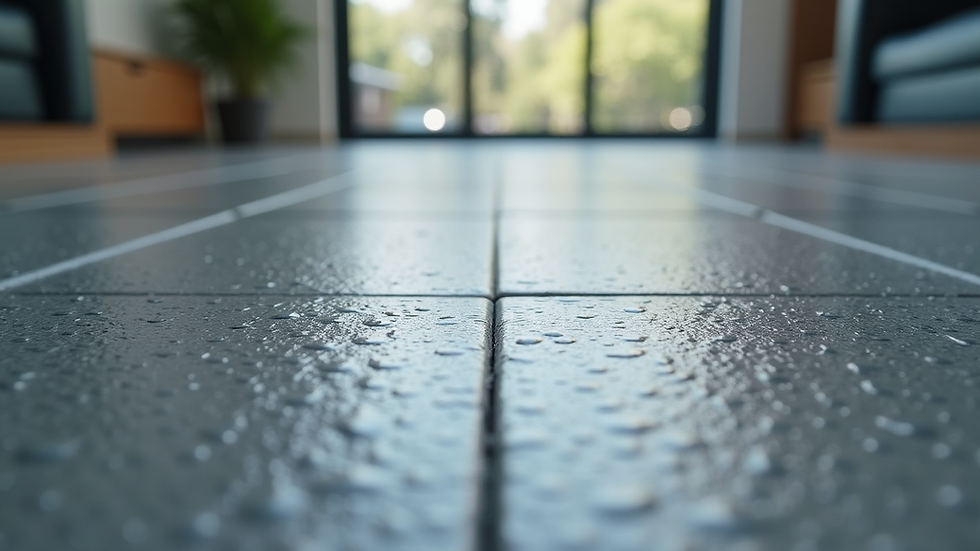
Slip-Resistant Treatment: VERDEE bamboo flooring products explicitly feature "anti-slip properties," achieving a slip resistance coefficient of R9, making them suitable for public spaces. Their surface is typically treated with multiple layers of high-quality UV coating (e.g., eight layers of environmentally friendly UV-cured coating). This coating not only provides excellent abrasion resistance, extending the floor's lifespan, but also forms an effective anti-slip layer, increasing underfoot friction. This helps reduce slip risks, particularly in damp environments (e.g., near bathrooms, kitchens).
Moderate Hardness and Fall Protection: Bamboo inherently possesses a suitable level of softness/hardness. Compared to extremely hard materials like stone or ceramic tiles, bamboo flooring can provide a certain degree of cushioning in the event of a fall, helping to prevent or mitigate injury.
Surface Durability and Scratch Resistance: The extremely high surface hardness of heavy-pressed bamboo flooring makes it highly resistant to scratches and wear. The surface coating acts as both a decorative and protective layer, effectively resisting impacts from hard objects and metal friction. In contrast, softer solid wood floors (e.g., pine, fir) are more prone to surface scratches, affecting aesthetics and safe flatness.
3. Fire and Weather Resistance: Transcending the Limits of Natural Materials
Solid hardwood flooring is inherently combustible and susceptible to corrosion from acids, alkalis, and decay. VERDEE strand woven bamboo flooring shows significant improvements in these areas through advanced processing.
Application of Deep Carbonization Technology: VERDEE's outdoor product line (e.g., Ultra Carbonized Outdoor Bamboo Flooring) utilizes next-generation deep carbonization technology, incorporating various weather-resistant techniques during production. The carbonization process not only ensures more uniform and stable coloring but also fundamentally alters the chemical composition of bamboo, enhancing its resistance to decay, insects, and weathering. Treated bamboo flooring is "less prone to aging, discoloration, bursting, or deformation," resulting in a longer service life.
Potential of Composite Technology: Related process technologies also indicate the possibility of combining bamboo with other materials, such as plastics and fillers (wood chips, calcium carbonate), to create composite boards that can impart better waterproofing and corrosion resistance. This has effectively overcome the tendency of natural bamboo/wood to mildew when damp during material processing.
Comparison with Solid Wood: Ordinary solid wood flooring has poor water resistance, tends to swell, deform, or even loosen upon water exposure; it is not resistant to acid/alkali corrosion; and without special, frequent preservative treatments for outdoor use, it is highly susceptible to rot, cracking, and fading.
Professional Analysis of VERDEE Strand Woven Bamboo Flooring Fire Retardant Characteristics
According to official product specifications, the core fire retardant characteristic of VERDEE Strand Woven Bamboo Flooring (especially the heavy-pressed series) is its compliance with the international floor burning behavior standard "EN ISO 9239-1".
In-Depth Interpretation: Standards, Technology, and Comparison
To understand the practical significance of this fire retardant standard and how it compares to other flooring, consider the following aspects:
What the "EN ISO 9239-1" Standard Means
Professionalism: The existence of this standard means VERDEE products have passed professional fire retardant tests specifically for flooring materials. It is not as vague as the term "fireproof" but has a quantifiable performance indicator.
Practical Significance: It primarily evaluates the floor's resistance to small fires (e.g., dropped cigarette butts) or nearby ignition sources (e.g., overturned candles). Compliant flooring helps to stop or delay flame spread across the surface, buying valuable time for escape and firefighting.
Why Strand Woven Bamboo Flooring Possesses Good Fire Retardancy
This is closely related to its material and technology:
High-Density Structure: VERDEE strand woven bamboo flooring recomposes bamboo strands under high pressure, resulting in extremely high density. A tighter structure means oxygen has more difficulty entering the material's interior, making it less prone to ignition and sustained burning.
Surface Treatment Technology: Its surface is covered with 8 layers of high-quality, environmentally friendly UV coating, which is not only wear-resistant but also possesses inherent fire retardant properties due to the polymer composition, acting as a protective film.
Carbonization Treatment: Some series (e.g., carbonized colors) undergo high-temperature baking. This process reduces combustible components in the bamboo (such as sugars, starches), thereby intrinsically enhancing the material's fire resistance.
Comparative Analysis with Solid Wood Flooring
Standardized vs. Non-Standardized: bamboo flooring's fire retardant performance follows clear standards; solid wood flooring typically relies on the wood's natural properties, resulting in unstable fire retardant performance and a lack of recognized testing standards.
Material Nature: The high-density bamboo material, after heavy pressing and recomposition, exhibits burning behavior closer to a "composite material." When burned, it tends to form a dense char layer that can isolate some oxygen. Natural solid wood has internal voids and vessels that more easily provide channels for combustion.
Controllability: Processes like hot-pressing and carbonization during bamboo production are stages that can be optimized to enhance fire performance, resulting in more controllable properties.
4. Environmental and Health Safety Standards: Assurance from Source to Living Space
As a material covering large indoor areas, the environmental and health indicators of flooring are crucial.
Green, Renewable Material: Bamboo is one of the fastest-growing plants, maturing for harvest in just 5 years. After harvesting, the root system continues to produce new shoots, enabling true "sustainable utilization." It is environmentally friendly and an excellent ecological alternative to tropical hardwoods.
Safety Control in Production: High-quality heavy-density bamboo flooring emphasizes the selection of environmentally friendly adhesives and precise control of their dosage to comply with strict international environmental standards (e.g., European norms). During high-temperature steaming and carbonization, nutrients within the bamboo fibers are removed, destroying the habitat for borers and bacteria. Consequently, the finished flooring is less prone to mold and insects, reducing allergens and harmful microorganisms.
Comparison with Solid Wood: Solid hardwood flooring, especially precious hardwoods (e.g., teak), relies on harvesting slow-growing mature trees, putting pressure on forest resources.
5. Installation and Maintenance Safety: The Cornerstone of Long-Term Reliability
Ease and Reliability of Installation: The high stability of the composite structure significantly reduces the probability of issues arising after the installation of VERDEE strand woven bamboo flooring. Its "extremely low thermal expansion and contraction" minimizes the risk of seam loosening or buckling due to seasonal changes, enhancing long-term safety and reliability.
Maintenance Cost and Convenience: VERDEE bamboo flooring features a multi-layer, wear-resistant UV coating, requiring no additional waxing. Daily maintenance simply involves wiping with a damp cloth. Its durability and color stability mean that the frequency and cost of repairs or replacements due to floor damage over its lifespan are far lower than for many solid wood floors, making it a safer and more economical choice from a lifecycle cost perspective.
Conclusion
In summary, through its recombinant bamboo (strand woven) technology, VERDEE Strand Woven Bamboo Flooring surpasses most traditional solid hardwood flooring in key safety performance parameters:
In structural performance, its extremely high density and hardness provide superior impact and deformation resistance, with dimensional stability far exceeding that of solid wood.
In usage safety, professional anti-slip, wear-resistant coatings and moderate material hardness balance slip resistance and fall protection needs. The materials pass SGS slip resistance and formaldehyde tests, as well as EN ISO 9239-1 fire resistance tests, ensuring product safety and health.
In weatherability, through treatments like carbonization, it possesses excellent moisture, decay, and weather resistance, suitable for a wider range of environments.
In health and environmental friendliness, its raw material is renewable, its production process is controlled, and the finished product meets high environmental standards, providing a safer indoor environment.
In price and cost, strand woven bamboo flooring, with its exceptional density and hardness, offers a price 50-70% lower than solid hardwood flooring with similar physical characteristics, significantly reducing the usage cost for projects requiring high-quality flooring.
Therefore, for modern residential and commercial projects that prioritize safety, stability, durability, and environmental responsibility, VERDEE Strand Woven Bamboo Flooring is undoubtedly a technologically advanced, high-performance, and rational choice. Solid wood flooring, on the other hand, retains the unique grain and feel of natural timber, maintaining its irreplaceable natural value in environments with strictly controlled temperature and humidity.
Comments