
The Importance of Home Water Ingress Checks

Water ingress is a sneaky problem. It can quietly damage your property, reduce its value, and cause health issues if left unchecked. Whether you own an old building, rent a flat, or invest in property, understanding the importance of home water ingress checks is crucial. Trust me, it’s not just about fixing leaks; it’s about protecting your home and your peace of mind.
Water can enter your home through cracks, faulty seals, or poor drainage. Over time, this can lead to damp walls, mould growth, and even structural damage. That’s why regular inspections are a must. Let’s dive into why these checks matter and how you can keep your property safe and dry.
Why Home Water Ingress Checks Matter
Water ingress is more common than you might think. It doesn’t always come from obvious sources like a burst pipe. Sometimes, it’s subtle - a tiny crack in the wall, a blocked gutter, or poor window seals. These small issues can cause big problems if ignored.
Regular home water ingress checks help you spot these issues early. Catching water ingress before it becomes a major problem saves you money and stress. Plus, it keeps your home environment healthy. Damp and mould can trigger allergies and respiratory problems, which nobody wants.
Here’s what a thorough check can reveal:
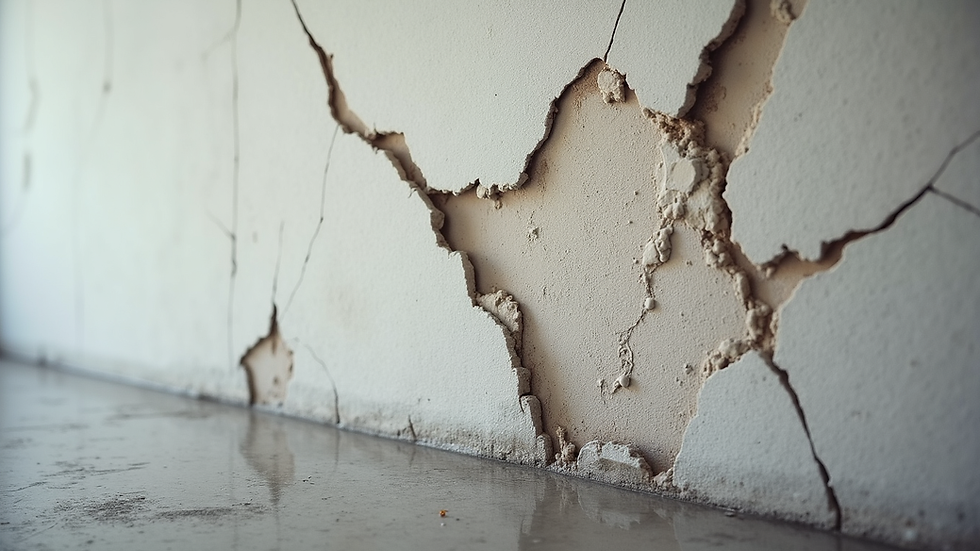
Cracks in walls or foundations
Blocked or damaged gutters and downpipes
Faulty window and door seals
Roof leaks or damaged tiles
Poor drainage around the property
By identifying these early, you can take action before water causes irreversible damage.
How to Perform Effective Home Water Ingress Checks
You don’t need to be a professional to do some basic checks yourself. Here’s a simple guide to get started:
Inspect the exterior walls - Look for cracks, peeling paint, or damp patches.
Check gutters and downpipes - Make sure they’re clear of leaves and debris.
Examine windows and doors - Look for gaps or damaged seals.
Look at the roof - Check for missing or broken tiles.
Assess drainage - Ensure water flows away from your home’s foundation.
If you spot anything suspicious, it’s time to call in the experts. A professional inspection will be more detailed and can uncover hidden issues.
Remember, a safe home water ingress inspection is the best way to protect your property. Professionals use specialised tools and techniques to detect moisture and pinpoint problem areas that are invisible to the naked eye.
The Risks of Ignoring Water Ingress
Ignoring water ingress can lead to serious consequences. Here are some risks you should be aware of:
Structural damage: Water weakens building materials like wood and concrete, leading to costly repairs.
Mould and mildew: These thrive in damp conditions and can cause health problems.
Decreased property value: A damp home is less attractive to buyers and tenants.
Increased energy bills: Damp walls reduce insulation efficiency, making heating less effective.
Pest infestations: Moist environments attract pests like termites and rodents.
Taking water ingress seriously means you avoid these headaches. It’s about safeguarding your investment and your family’s wellbeing.

Practical Tips to Prevent Water Ingress
Prevention is always better than cure. Here are some practical steps you can take to reduce the risk of water ingress:
Maintain gutters and downpipes: Clean them regularly to prevent blockages.
Seal cracks promptly: Use appropriate sealants on walls and around windows.
Improve drainage: Ensure the ground slopes away from your home.
Install damp-proof membranes: Especially important in basements and ground floors.
Regular roof maintenance: Replace broken tiles and check flashing around chimneys.
These simple actions can make a huge difference. Plus, they help you avoid expensive repairs down the line.
Why Professional Inspections Are Worth It
While DIY checks are useful, professional inspections offer peace of mind. Experts have the knowledge and equipment to detect hidden moisture and assess the full extent of any damage.
A professional inspection includes:
Moisture mapping with thermal imaging
Detailed assessment of building materials
Recommendations for repairs and maintenance
Documentation for insurance or resale purposes
For anyone serious about protecting their property, investing in a professional inspection is a smart move. It’s a proactive step that saves money and stress in the long run.
Water ingress might seem like a small issue, but it can cause big problems if ignored. Regular home water ingress checks, combined with professional inspections, are your best defence. They protect your property’s value, keep your living environment healthy, and prevent costly repairs.
Don’t wait for water damage to show up on your walls or floors. Take action now and keep your home safe and dry for years to come!

Comments